Why your shower glass goes cloudy, and how to get it back
If you live north of the river the haze on your shower door is calcium, not soap. That distinction decides whether it comes off.
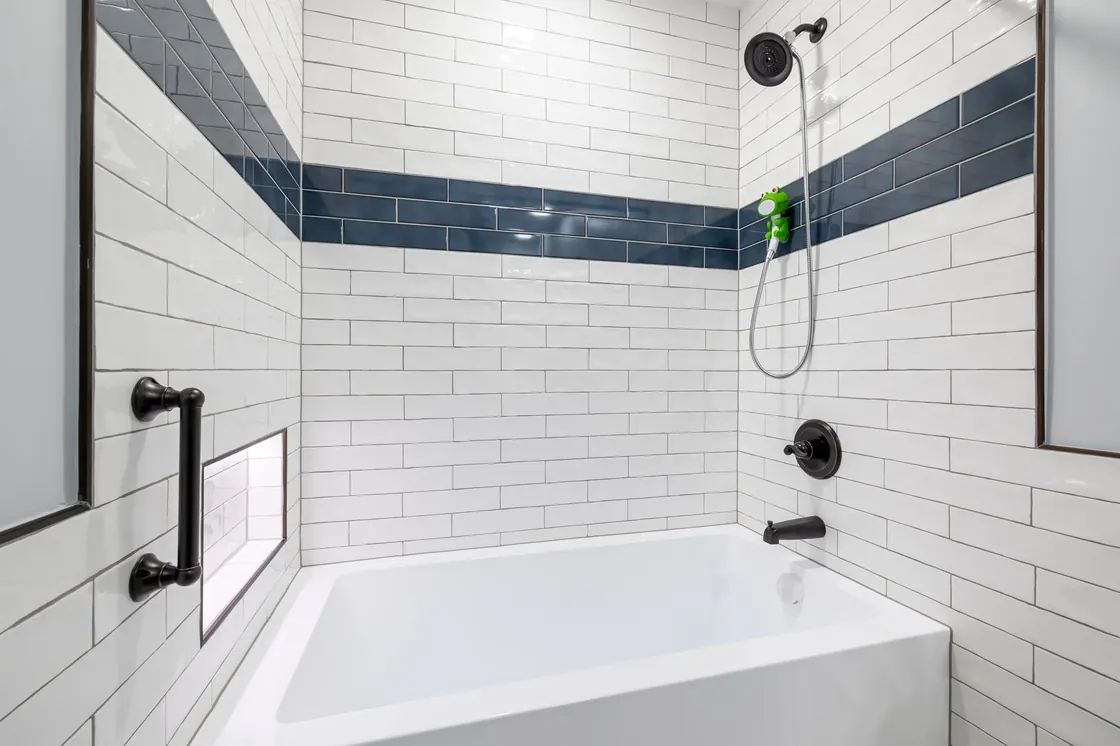
A shower door that has gone milky is one of the two things people apologise for when we walk into a bathroom for the first time. The other is grout. Both are fixable, but only if you know which problem you actually have, because the wrong product on the wrong problem does nothing at all.
Soap scum and calcium are not the same thing
Soap scum is a soft, greasy film. It comes off with an alkaline cleaner and a bit of patience, and it is what most supermarket bathroom sprays are formulated for.
Hard water deposit is calcium carbonate. It is a mineral, it is hard, and an alkaline cleaner will not touch it. You need an acid: citric, lactic or in stubborn cases a mild sulfamic. Spraying more bathroom cleaner at calcium is the single most common wasted hour in home cleaning.
Central Texas water is hard almost everywhere, and Williamson County is worse than Travis. If you moved from Austin proper to Round Rock or Cedar Park and your glass suddenly started hazing, that is why.
How to tell which one you have
- Dry the glass completely.
- Run a fingernail across the haze. Soap scum smears. Calcium feels like very fine sandpaper and does not move.
- Put a drop of white vinegar on a small patch and leave it two minutes. If it visibly clears, it is mineral.
Getting mineral haze off
Warm the glass first by running the shower hot for a minute, then turn it off. Apply your acid, whatever it is, and leave it for five to ten minutes. Do not let it dry. Work it with a non-scratch pad, top down, then rinse thoroughly and squeegee dry.
The rinse matters more than people expect. Acid residue left on glass attracts new deposit faster than clean glass does, so a half-rinsed door will look worse in a month than it did before you started.
When the glass is simply gone
If deposit has been left for years it etches the surface. At that point the haze is a texture, not a coating, and no amount of acid brings it back. A glass polish with cerium oxide can improve it, and a good glazier will do that for less than replacement, but a cleaner cannot fix it and anyone who tells you they can is guessing.
Keeping it clear
- Squeegee after every shower. Thirty seconds, and it is the whole solution.
- Get a water softener if you are north of the river and staying put. It pays for itself in fixtures, not just glass.
- Have it descaled rather than wiped. Every Freshline visit in Round Rock and Cedar Park includes a descaling pass on glass and chrome as standard, because otherwise the problem just returns between visits.
If yours is already past the point where a weekly squeegee helps, a deep clean is the visit that resets it, and a recurring plan keeps it there.